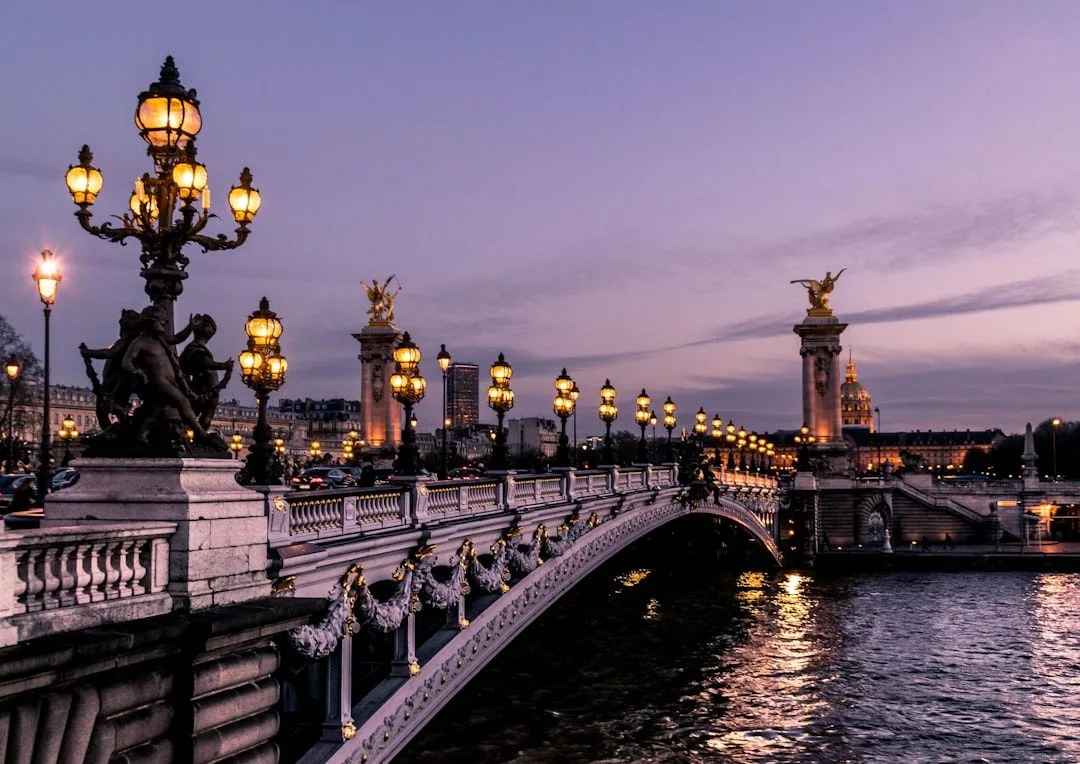
France's off-peak savings are substantial and its closures are more disruptive than most visitors expect. Both follow a predictable calendar.
The price calendar
| Period | Prices | Notes |
|---|---|---|
| Jan–Mar | Lowest | Except Alps and school holidays |
| Apr–Jun | Moderate | Best value overall |
| Jul–Aug | Peak | Plus mid-August closures |
| Sep–Oct | Moderate | Excellent: harvest, warm, quiet |
| Nov | Low | Wet in the north, fine in the south |
| Dec | Mixed | Christmas markets busy and priced |
Late April to June and September to October are the value windows: 30–40 percent below peak with everything open and better weather for walking than August heat.
The mid-August problem
This catches more visitors than pricing does.
Rural France takes its own holiday around mid-August. Family-run restaurants and shops close for two to three weeks, at precisely the time visitor numbers peak.
So August delivers high prices and reduced choice simultaneously. In a Dordogne or Auvergne village you can find the two restaurants both shut.
Cities cope better, though small independents in them close too.

Sunday and Monday
Outside the largest cities, most shops close on Sunday and many also on Monday.
Supermarkets frequently open Sunday morning only. Rural restaurants commonly close Sunday evening and all day Monday.
The practical consequence is the classic French travel failure: arriving in a village on a Sunday evening and finding nowhere to eat. Buy food on Saturday, or plan to be in a town large enough to have options.
Where the off-peak savings are largest
The Riviera and Provence — the biggest peak-to-trough swing in France. A Luberon chambre d'hôtes at €180 in August is €90 in October.
The Atlantic coast — Biarritz, Île de Ré, Brittany — similar pattern.
Paris — February is a fraction of June, and the museums are quiet.
The Alps invert — winter is their peak, and summer is when the valleys are cheap and excellent for hiking.
The cheap regions, whatever the season
| Region | Chambre d'hôtes |
|---|---|
| Auvergne | €55–85 |
| Jura | €55–85 |
| Inland Brittany | €50–80 |
| Luberon / Provence | €120–200 |
| Côte d'Azur | €140–250 |
The Auvergne — volcanoes, crater lakes, thermal towns, excellent cheese — costs less than half what Provence does year round and receives a fraction of the visitors.
The winter city break case
Underused and genuinely good value.
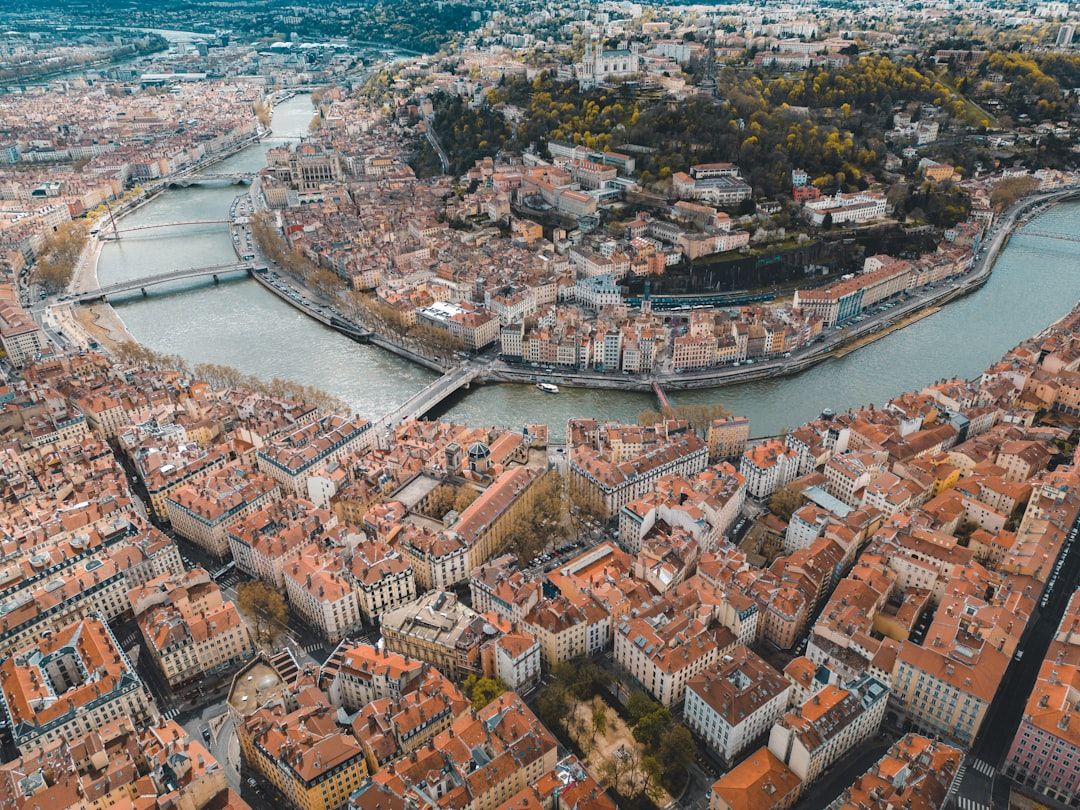
Lyon, Bordeaux, Strasbourg and Paris in January or February cost a fraction of their summer rates. French food culture is at its best in cold weather — this is when the region's heavy dishes make sense — and the museums are quiet.
Short daylight is the only real cost, and the cities are designed for indoor pleasures anyway.
Booking notes
TGV fares should be booked three to eight weeks out, where advance Prem's tickets run a third of walk-up prices.
Fly to a regional airport rather than Paris if the trip is not Paris-centred — Lyon, Bordeaux, Toulouse, Marseille and Nantes all have real city connections and avoid a TGV fare plus crossing Paris.