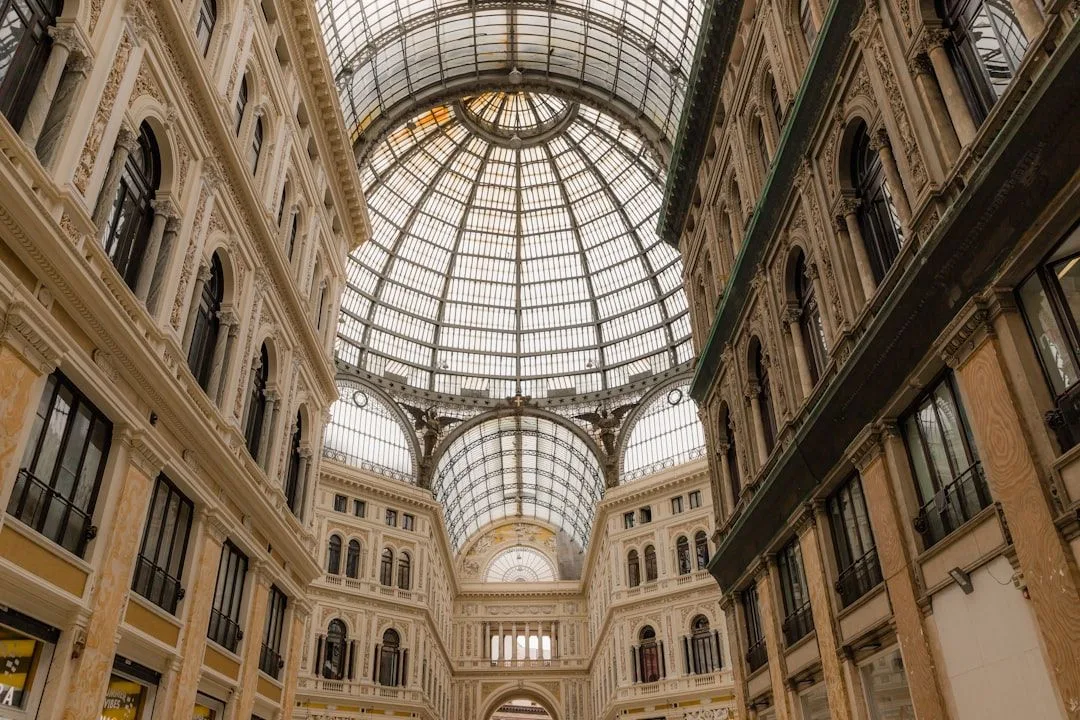
Spain is cheaper than Italy or France and considerably cheaper than the UK, and two specific things — one about lunch, one about trains — do most of the work in keeping a trip inexpensive.
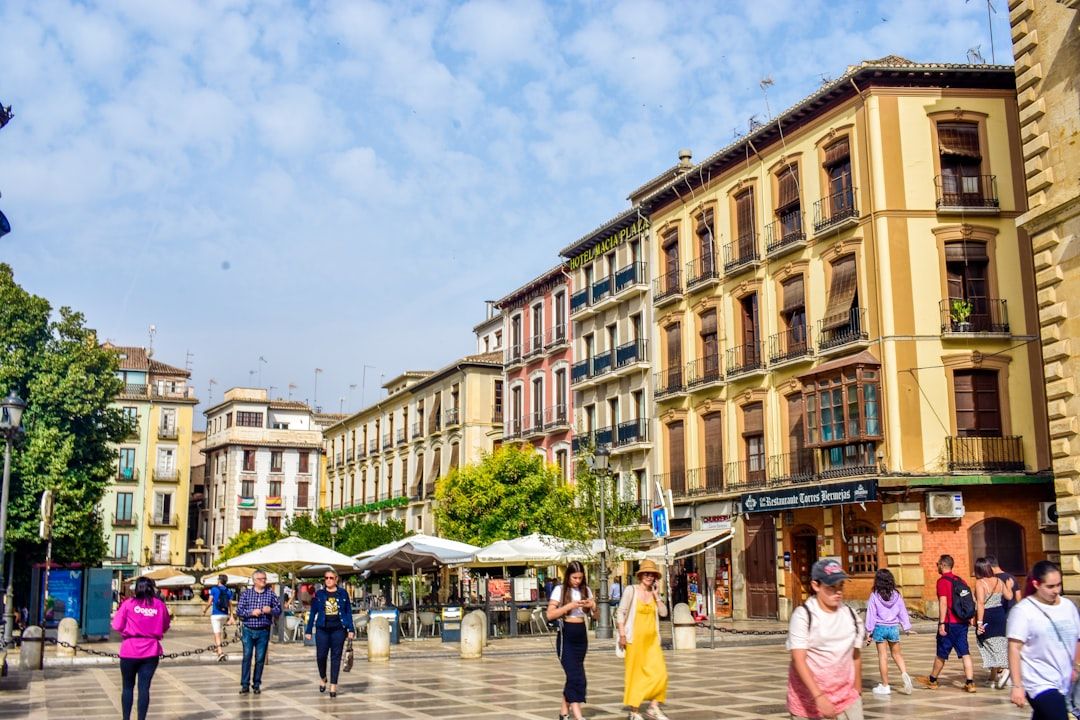
The menú del día
The best value meal in Europe and consistently underused by visitors.
A weekday fixed-price lunch: three courses, bread and a drink, €12–18 at ordinary restaurants. It is what Spanish workers eat, it is frequently not advertised in English, and the sign is usually a handwritten board outside.
Eating the main meal at lunch and something small in the evening halves the food budget and improves the food, because the kitchen is cooking for regulars at midday and for tourists at dinner.
Related habits: an espresso standing at the bar is €1.20–1.80 against €3–5 seated, and supermarket wine at €4–8 is good.
The AVE booking window
Spanish high-speed fares are dynamic and climb steeply.
| Route | Booked ahead | Walk-up | Bus |
|---|---|---|---|
| Madrid → Seville | €30–45 | €75–110 | €20–30, 6h |
| Madrid → Barcelona | €30–60 | €90–140 | €20–35, 7h |
| Madrid → Valencia | €25–45 | €60–90 | €15–28, 4h |
| Seville → Granada | €30–45 | €45–60 | €25–35, 3h |
Three to six weeks ahead is the window. Booked then, the AVE beats the bus on the radial routes from Madrid. Left late, the bus wins.
Check Ouigo and Avlo, the low-cost high-speed operators on the busiest corridors — same tracks, same stations, roughly half the fare, tighter baggage rules.
Where there is no fast line — between Andalusian cities, or crossing into Portugal — ALSA is the answer and is comfortable.
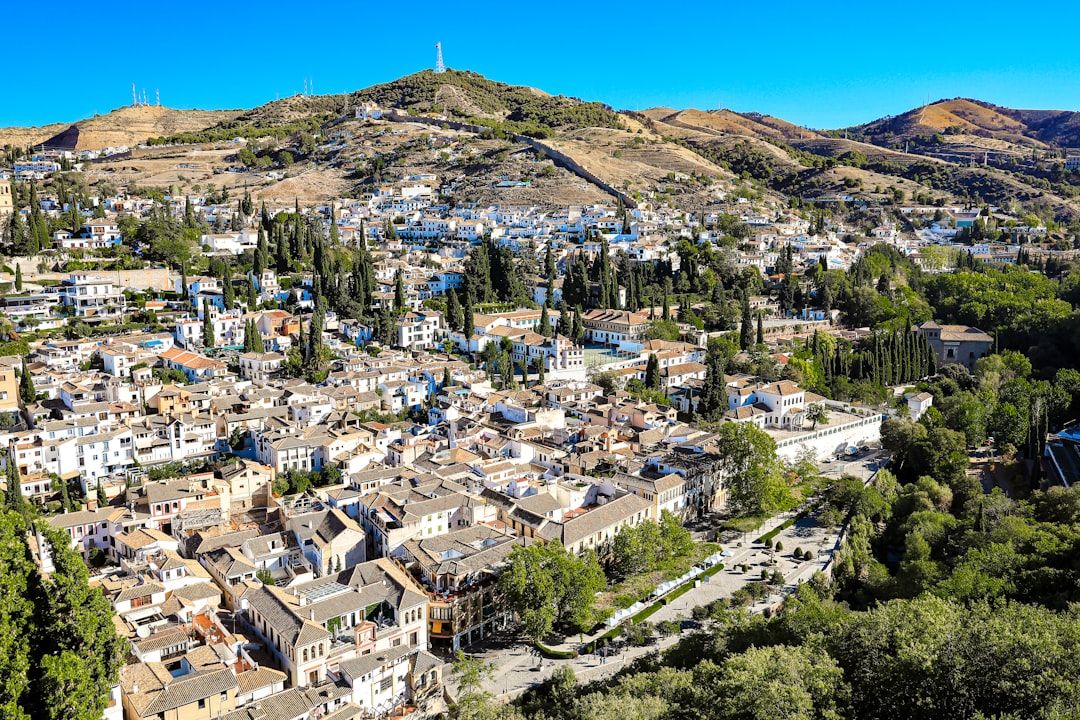
Which cities cost least
| City | Dorm | Double | Menú |
|---|---|---|---|
| Granada | €14–22 | €45–70 | €11–15 |
| Seville | €16–25 | €50–80 | €11–16 |
| Valencia | €16–26 | €55–85 | €12–16 |
| Madrid | €20–32 | €70–110 | €13–18 |
| Barcelona | €25–40 | €85–140 | €13–18 |
| San Sebastián | €30–45 | €100–160 | €16–22 |
Granada is the cheapest good city in Spain, and it has an additional advantage: it is the last place where a free tapa — a proper plate, not olives — comes with every drink. Three or four drinks across an evening is effectively dinner.
The one thing to book far ahead
The Alhambra. Daily numbers are capped and the Nasrid Palaces carry a strict timed entry. Two to three months ahead is the real window, and it is the single most likely thing to derail a Spanish itinerary.
Book it before the flights.
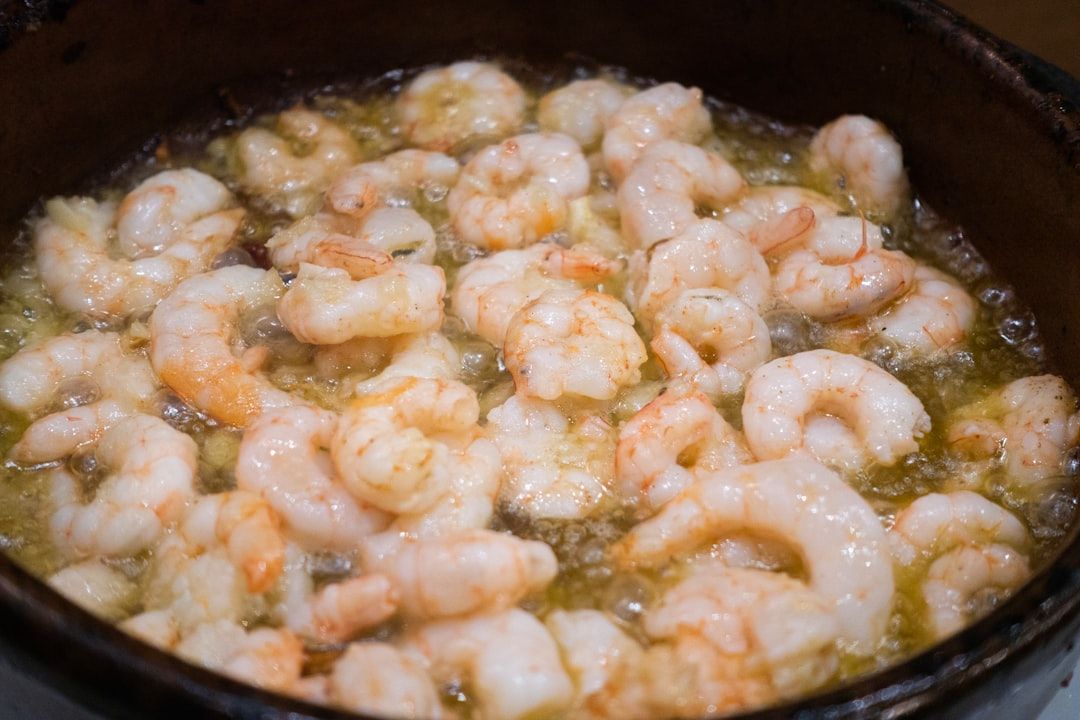
The eating schedule
Lunch 1:30–3:30pm, dinner from 9pm. A restaurant serving dinner at 7 is serving tourists, and the food follows.
In smaller towns, shops and some restaurants close 2–5pm. Plan errands around it, and treat the hot middle of the day as rest time — which in Andalusian summer is not optional anyway.
Timing
April, May, late September and October. Inland Andalusia exceeds 40°C in July and August, and Córdoba and Seville become genuinely difficult for daytime sightseeing.
Winter is mild, quiet and cheap in the south, with short daylight the only real cost.