Vietnam has one budgeting quirk that separates it from the rest of Southeast Asia: private rooms are so cheap that hostels stop making sense. That single fact changes how you plan a trip here.
The daily numbers
| Item | Cost VND | USD |
|---|---|---|
| Private room, guesthouse | 300–500k | $12–20 |
| Hostel dorm | 150–250k | $6–10 |
| Street meal | 40–70k | $1.60–2.80 |
| Restaurant meal | 120–250k | $5–10 |
| Bia hoi | 5–15k | $0.20–0.60 |
| Local transport, day | 50–150k | $2–6 |
The gap between a dorm bed and a private room is around $8. In Europe it is $25–40. Travelling as a pair, private rooms in Vietnam are cheaper per person than two dorm beds — which means most people should simply skip hostels except for the social side.
$25–35 a day is comfortable including a private room throughout.
The e-visa is not optional
Most Western passports need a Vietnam e-visa, applied for online before travelling. Around $25, a few working days.
There is no dependable visa on arrival at land borders for independent travellers, and arriving at a remote crossing from Laos or Cambodia without one is a serious problem. Apply before you leave home.
Transport
| Leg | Mode | Cost |
|---|---|---|
| Hanoi → Ninh Binh | Train, 2.5h | ~70k |
| Hanoi → Hue | Sleeper train, 13h | 600–900k |
| Hue → Da Nang | Train, 3h scenic | 100–150k |
| Da Nang → Nha Trang | Sleeper train, 10h | 500–800k |
| Da Lat → HCMC | Sleeper bus, 7h | 250–350k |
| Domestic flight | 1–2h | 600k–1.2m |
Overnight legs save a night's accommodation, which makes them close to free transport.
The leg not to skip: Hue to Da Nang in daylight. Three hours, about 120,000 dong, running over the Hai Van Pass with the sea below the window. Sit on the right heading south. Most people take a bus through the tunnel and miss the best rail journey in the country.
Train versus bus: the train is more comfortable and safer, with four proper berths in a soft sleeper. Sleeper buses are cheaper and reach places the railway does not, notably Da Lat and Ha Giang, but they drive fast at night and the pods suit shorter passengers.
Where the value is highest
Ha Giang, the far north. A three or four day loop through limestone mountains near the Chinese border, and the highlight of most Vietnam trips. Hiring an easy rider — a local driver you sit behind — costs around $60 a day including food and homestay, and removes the motorbike risk entirely.
Ninh Binh, two hours from Hanoi. Limestone karsts rising out of rice paddies, cycled between. A day or two and very cheap.
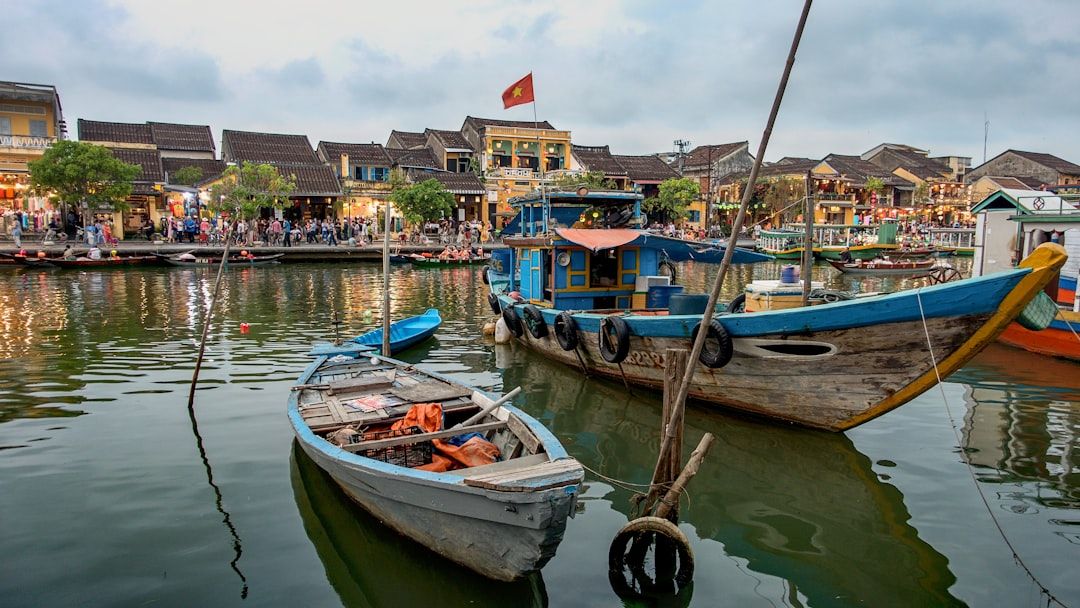
Hoi An, where tailors will make a suit in two days and the old town is lantern-lit. Touristy and still worth it.
Practical money notes
Vietnam is substantially cash-based for visitors. The domestic QR payment apps that locals use need a Vietnamese bank account, which requires residency documentation — so plan on ATM withdrawals and carry cash.
Bargaining applies in markets and for unmetered transport, not in restaurants or shops with posted prices.
Bia hoi — fresh draught beer sold on street corners at 5,000–15,000 dong a glass — is the cheapest drink in Asia and a genuine institution rather than a novelty.